
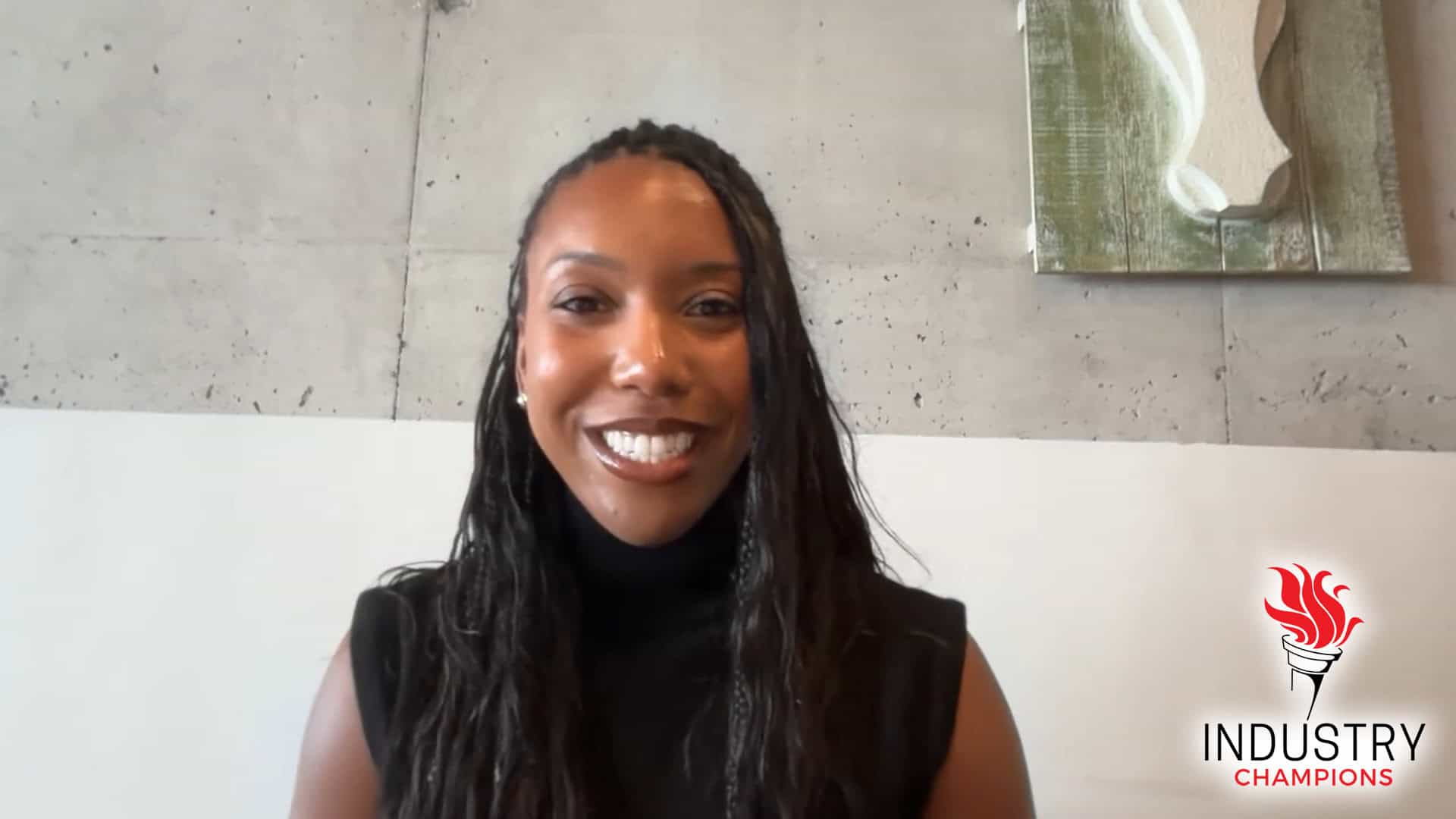
Step into the world of innovation and excellence with “Industry Champions”! Join us as we celebrate the trailblazers who are redefining success across diverse industries, sharing their journeys, strategies, and secrets to thriving in competitive landscapes. Today our hosts, Morgan Allen spoke with Aziah Kamari Pless.
Aziah (Asia) Kamari Pless
Founder & CEO at AKP Alliance
Website Address: akpalliance.com
Short company description:
AKP Alliance is a boutique strategic communications and marketing consultancy serving clients across international development, public health, fintech, and hospitality. We specialize in brand strategy, content development, and multi-channel campaign execution – helping mission-driven organizations and emerging brands translate complex stories into clear, compelling narratives that drive engagement and action.
How do you help a brand maintain consistency across multiple channels and platforms?
It starts with a strong foundation – a clearly defined brand voice, visual identity system, and messaging framework that serves as the single source of truth for everything that goes out. At AKP Alliance, before we touch a single channel, we build or refine that foundation so the team knows exactly what the brand sounds like, looks like, and stands for. From there, it’s about smart adaptation, not copy-paste repetition. A brand should feel cohesive whether someone encounters it on LinkedIn, Instagram, a podcast, or a printed report – but the content should be native to each platform. We develop channel-specific content strategies that flex the tone and format while anchoring every touchpoint in the same core narrative. For one of our clients in entertainment-education, that means the campaign messaging that runs across radio, social, and web all ladders up to the same themes, but each format speaks to its audience in the way they naturally engage. We also build practical tools – brand guidelines, content calendars, approval workflows – so consistency doesn’t depend on one person’s institutional memory. It becomes embedded in the process.
Can you share a rebranding project that taught you valuable lessons about brand identity?
One of the most instructive experiences was navigating a significant repositioning for a client whose pricing, positioning, and audience perception had all drifted out of alignment over time. They were delivering premium-level work but presenting themselves – in their messaging, their rates, and their visual identity – as something far more modest. The lesson was that brand identity isn’t just outward-facing. Before we could rebrand them to the market, we had to do the internal work: redefining what the brand actually stood for, getting leadership aligned on the value proposition, and building confidence in the new positioning before anything went public. If the team doesn’t believe the rebrand, the audience won’t either. That experience reinforced that the most powerful rebrands don’t just change how a company looks – they change how a company sees itself. The visual refresh and new messaging came last. The real transformation was strategic clarity.
What strategies do you use to build and maintain brand loyalty in a competitive market?
Brand loyalty is built on trust, and trust comes from consistent delivery on a clear promise. The strategies I lean on most: First, audience-centered storytelling. People stay loyal to brands that make them feel seen. We invest heavily in understanding who the audience actually is – not just demographics, but what they care about, what frustrates them, and what language they use – and then we build content and campaigns that reflect that understanding back to them. Second, community over broadcasting. Especially for the sectors we work in – public health, international development, fintech – the brands that build lasting loyalty are the ones that create spaces for their audiences to participate, not just consume. That might look like user-generated content campaigns, interactive digital experiences, or grassroots ambassador programs. Third, transparency and consistency. Loyalty erodes fast when there’s a gap between what a brand says and what it does. We help clients develop communications strategies that are honest about where they are, clear about where they’re going, and reliable in how they show up – across every channel, every quarter.
What’s your approach to navigating a brand crisis and rebuilding trust with audiences?
Speed, honesty, and a clear action plan – in that order. In a crisis, silence is the most damaging response. The first priority is acknowledging the situation quickly and directly, without deflection or corporate jargon. Audiences can feel when a statement was written by a legal team trying to minimize liability versus a leadership team that actually understands the impact. Next, I work with clients to identify the root issue – not just the PR problem, but the operational or cultural gap that created the crisis in the first place. The public response needs to address both: what happened and what’s changing. A crisis statement without a concrete action plan is just damage control, and audiences see through it. Then comes the rebuild, which is the long game. Trust isn’t restored by one well-crafted apology – it’s restored by consistent behavior over time. We develop a post-crisis communications roadmap that includes transparency updates, proof points of the changes being made, and opportunities for the audience to re-engage on their terms. The goal isn’t to make people forget – it’s to give them a reason to believe the brand has genuinely evolved.
The Daily News Network, Buzz Tv News, and DAILYBIZBRIEF highlight business professionals, nonprofits, veterans and community leaders on over 40 TV Segments including The Horse’s Mouth, Legacy of Leaders TV, Veterans Buzz TV, Finding Your Frequency, and Buzzworthy Businesses.

