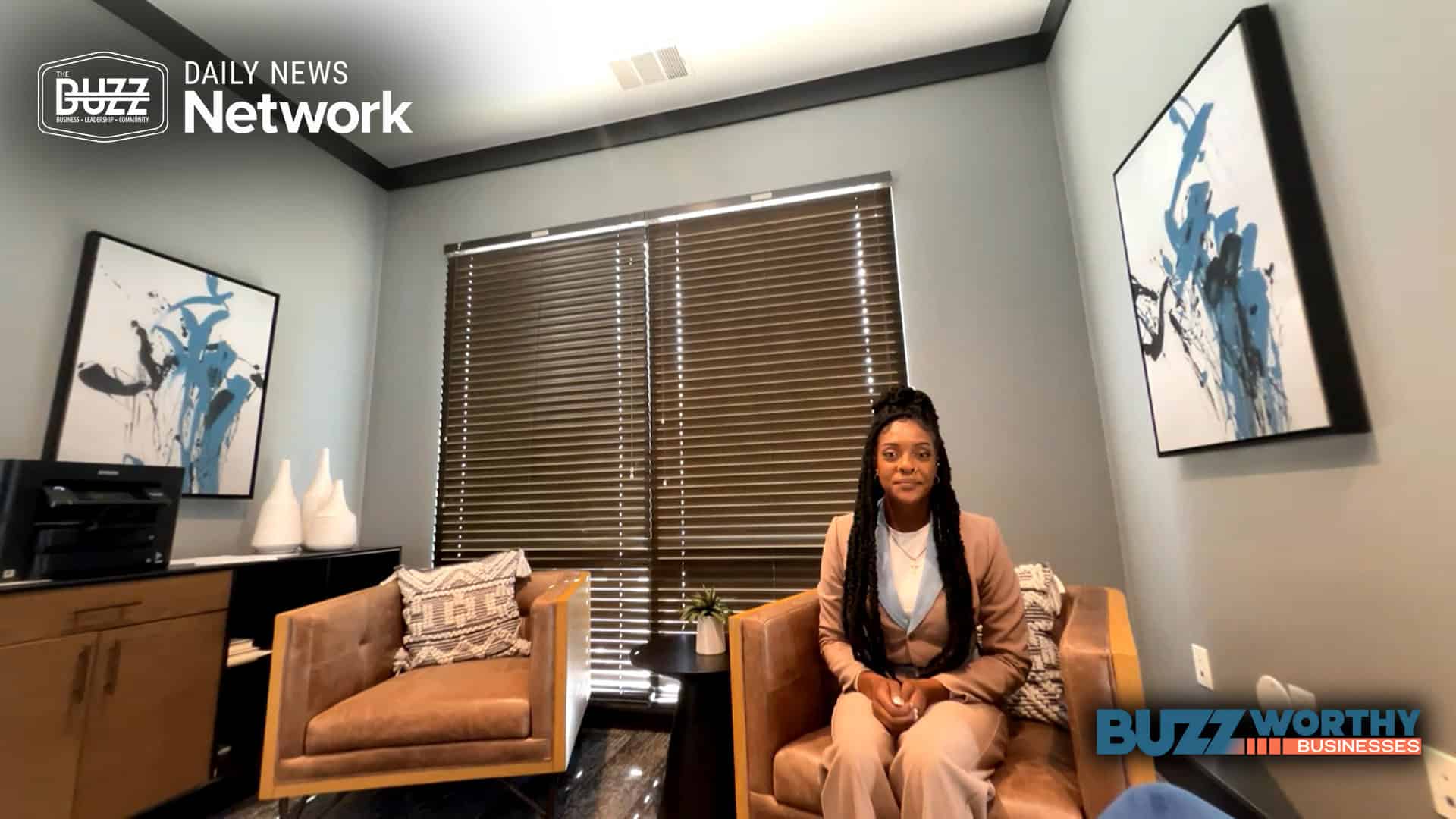
“Buzzworthy Businesses” is a unique and cool talk show that showcases individuals and companies in the community that are making a buzz and giving back. Our goal is to interview guests that are doing great things in their business and in their community. Today our host, Morgan Allen, spoke with Daijha Reed.
Daijha Reed
Founder and CEO at Bridge Care Connections
Website Address: https://bridgecareconnecti.wixsite.com/bridge-care-connecti
Short company description:
Bridge Care Connections is a community-focused nonprofit organization dedicated to advancing health equity and improving access to care for underserved and minority populations.
Rooted in a philosophy of unity, advocacy, and empowerment, the organization works to bridge the gap between individuals, healthcare systems, and community resources. Through healthcare education, care navigation, and resource support, Bridge Care Connections helps individuals better understand and navigate complex systems while connecting them to essential services, including medical care, mental health resources, and community-based support.
The organization was founded on the belief that access to quality healthcare should not be determined by income, background, or circumstance. Through culturally responsive programming and a people-centered approach, Bridge Care Connections empowers individuals and families to build confidence in managing their health and accessing appropriate care.
By fostering meaningful partnerships and strengthening community connections, Bridge Care Connections creates sustainable pathways to care—ensuring that individuals are supported, informed, and not navigating the healthcare system alone.
How has your business changed in the past 12 months?
Over the past year, my business has evolved from concept to implementation. I’ve moved from ideation into execution—building structured programs around healthcare navigation, advocacy, and education while refining our service delivery model based on real community need. This year has been about discipline, clarity, and learning how to scale impact without losing the integrity of the mission. We are no longer just building an idea—we are building a system that serves people in real time.
Describe a Failure in your Career
I’m struggling with how to describe what feels like failure in my business, when a lot of it is actually anxiety and imposter syndrome. Most nonprofit founders deal with some level of doubt about their work—even when there is measurable impact. There are constant thoughts like: Are my ideas good enough? Am I the right person to be leading this mission? But I’m also learning that you miss 100% of the chances you don’t take. Success isn’t always defined by bigger milestones or visible wins; sometimes it’s found in consistency, persistence, and the small impact that still moves the mission forward—even when it doesn’t feel like it.
What about your company makes you the most proud
What makes me most proud is that our work meets people at real points of vulnerability and still centers dignity, access, and long-term change. We are not just offering services—we are building pathways for individuals, especially underserved youth and communities, to gain tools, stability, and confidence to navigate systems that were not designed for them. Even when resources are limited or progress is gradual, we see measurable impact in the form of increased awareness, stronger decision-making, and people feeling supported instead of overlooked. I’m proud that we don’t just focus on immediate outcomes, but on sustainable growth and empowerment.
How do you motivate people to give their best?
I motivate people by helping them understand the purpose behind the work and how their role directly contributes to real-life outcomes. People perform best when they feel connected to impact, not just tasks. I also focus on clarity, consistency, and trust. That means setting clear expectations, making sure people feel supported rather than micromanaged, and recognizing effort as much as outcomes. I try to create an environment where people feel safe to grow, ask questions, and improve—because when people feel valued and understood, they naturally bring their best selves forward.

